
Newcomers Should Know These Things Before Purchasing HMDD: A Purchase Handbook
Before purchasing into a up-and-coming streetwear brand, buyers typically run through the same running list of questions: true-to-size fit, fabric durability, and whether the hype is earned. HMDD, standing in for Happy Memories Don’t Die, has grown a following around this specific line — happy memories don’t die — as both a name and a design philosophy. For those unfamiliar with hmdd clothing and working out where to start, this guide runs down how sizing works, fabric choices, what to expect on pricing, and how to identify the pieces that regularly stand out favorably in an hmdd review. Skipping the filler, just the down-to-earth information a first-time buyer genuinely requires before checking out.
What HMDD Actually Stands For
The name carries more weight than a throwaway hangtag line. Happy memories dont die is the emotional core of the brand’s identity, appearing across graphics, embroidery placements, and the prevailing tone of each drop. In place of pursuing every passing fad, HMDD tends to gravitate toward wistful, retro-toned colorways and worn-in shapes that feel like they’ve already been through a few seasons. That sensibility shows up especially in the brand’s sweats and shorts, which prioritize comfort-first cuts over anything overly structured. When you check out hmddla listings or the main site, you’ll catch the recurring pattern running through nearly every collection: pieces meant to feel intimate rather than mass-produced. Grasping that mindset helps clarify some of the design choices before you even get to sizing or fabric.
What You Should Know About Sizing Beforehand
Nearly any first-time streetwear purchase runs into fit uncertainty as the top gripe, and HMDD is no exception, unless you do a little homework first. The majority of its tops and outerwear run in a relaxed, boxy fit, oversized shorts which means those caught between two sizes are usually better off sizing down if they want a closer, more tailored appearance. Its sweatpants and shorts tend to echo that same oversized approach, with a more generous leg cut than what you’d find in a standard athletic brand. Because fit varies piece to piece, be sure to consult the exact sizing chart listed on the product page instead of presuming it matches across the whole catalog. A few practical tips before you order:
- Take the measurements of a comparable garment you already own — hip, inseam, and chest measurement — and match it up against the listed measurements.
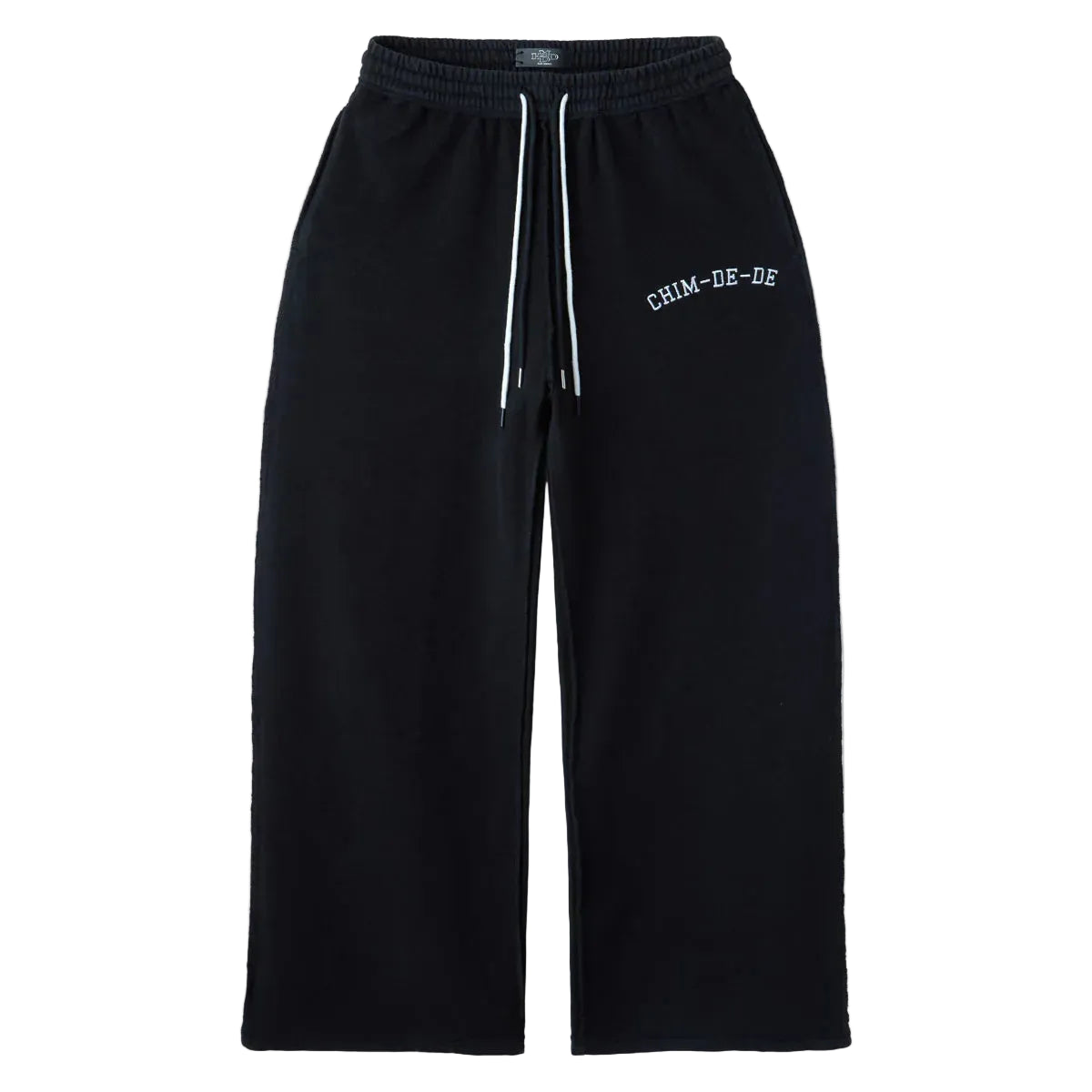
- With hmdd sweatpants, a adjustable waistband offering a touch of give means fit at the waist is generally more forgiving compared with denim.
- For hmdd shorts, take note of the inseam length listed, since drop-crotch and mid-thigh cuts can look identical in photos but sit on the body in very different ways.
- Should reviews note that a item runs tight, give it weight even when the sizing guide implies differently.
- When torn between sizes for outerwear, going up a size is generally safer given the brand’s loose-fit design language.
Fabric Quality and Construction Fundamentals
Fabric weight is the deciding factor for streetwear built for comfort, which is why watching this detail closely genuinely makes a difference. Thicker fleece, generally in the 300 to 400 GSM range that’s typical across higher-end streetwear sweatshirts, retains its shape more effectively after multiple wash cycles and resists pilling longer than lighter cotton blends. Lighter shorts fabrics, commonly in a mid-weight cotton or cotton-poly blend, favor airflow and ease of movement rather than rigid structure, which makes sense for a piece meant for everyday wear rather than athletic performance. Stitching quality is another thing worth examining carefully in listing images — reinforced double stitching at stress points like the crotch and pocket seams are a solid indicator of build quality made to withstand daily rotation, not just one season of wear. Screen-printed graphics can crack over time with high-heat drying, so if a garment includes screen-printed elements, drying on low heat or letting it air-dry will meaningfully prolong its lifespan. Embroidered logos, by contrast, tend to hold up better long-term but can contribute a bit more weight and expense to a garment. On their own, none of these points are deal-breakers, but knowing what to check before buying saves you from a disappointing first wash.
Reading an HMDD Review the Right Way
Not every hmdd review carries the same weight, which means newcomers to the brand should develop an eye for separating useful feedback from noise. A genuinely helpful review tends to include three things: real-world fit relative to the size chart on the listing, how the fabric holds up after one or more washes, and color trueness compared to the photos on the listing. Reviews that focus purely on aesthetics without addressing wear and durability aren’t very actionable. It also helps to look at reviews across multiple platforms rather than relying only on the ones featured on the brand’s own site, since third-party reviews tend to be more candid about sizing quirks or shipping delays. Watch closely for patterns in negative feedback — should more than one reviewer point out identical shrinkage or stitching inconsistencies, that deserves serious attention rather than being brushed aside as a fluke. On the other hand, consistent compliments about a particular item, such as one sweatpant style or a certain shorts cut, point clearly to a good starting piece for your first purchase.
Stacking Up HMDD’s Core Categories
Since HMDD’s catalog spans outerwear, sweats, shorts, and graphic tees, it helps to see how the core categories stack up side by side before deciding where to spend your budget first.
| Product Type | Usual Fit | Ideal Use | Care Notes |
|---|---|---|---|
| Sweatpants | Loose fit with a drawstring waist, tapered or straight through the leg | Daily wear and layering when temperatures drop | Low-heat dry to preserve fleece loft |
| Shorts | Length falling between mid-thigh and knee, with an elastic or drawstring waistband | Best for hot-weather wear and low-key outings | Cold machine wash; air-dry if the piece has a graphic print |
| Graphic T-Shirts | Boxy, dropped shoulder | Worn under outerwear as a layer, or alone in summer | Turn inside out before washing to protect print |
| Outerwear | Oversized, roomy through shoulders | Statement layers built for cold conditions | Spot clean when possible, avoid frequent full washes |
Such a category-by-category breakdown is worth doing because first-time buyers often make the mistake of ordering outerwear first, when beginning with something lower-stakes, such as shorts or a tee is usually the smarter way to test out fit and fabric before investing in a bigger-ticket item.
Zeroing In On the Right HMDD Pieces for Your Initial Purchase
If you’re trying to figure out the top hmdd clothing to start with, the most sensible approach is matching the piece to your actual wardrobe gaps rather than buying whatever’s trending in a given drop. Someone building a casual loungewear rotation should prioritize sweatpants, since they tend to get the most consistent praise for comfort and fabric weight in customer feedback. Someone shopping primarily for warm-weather basics will get more mileage out of shorts, especially given the versatility of pairing them with both graphic tees and plain layers. It’s also worth it for first-time shoppers to start small—opting for one core piece instead of a full fit—so they can gauge sizing accuracy and find out how the fabric wears after a few wash cycles before committing more. Because streetwear brands such as HMDD tend to replenish stock faster than traditional retailers, it’s a good idea to check whether what’s in stock now includes limited releases—sought-after sizes in sweats and shorts can vanish within days of a release.
Postage, Exchanges, and Useful Shopping Tips
Since these details can shift between drops and campaign periods, make it a habit to verify the particular shipping timeline and return policy posted on the product page or checkout screen before completing any order. Because streetwear brands operating on drop cycles frequently impose tighter return windows on exclusive releases compared to standard restocked items, it’s smart to read the fine print instead of presuming typical e-commerce norms hold true universally.
Should fit be in doubt based on reviews, ordering two adjacent sizes and returning the one that doesn’t fit is a familiar tactic veteran streetwear customers use, as long as the return policy allows it without a restocking fee. Keep original packaging and tags until you’re sure about fit, since tags that have been taken off can sometimes void return eligibility depending on the merchant’s terms.
Keeping a close eye on tracking confirmation emails also matters, since inventory tied to drop cycles can sometimes lead to split shipments or minor setbacks during peak-demand release windows. These points aren’t specific to HMDD alone, but it’s particularly relevant for a brand whose following has grown fast enough that certain items sell through quickly.
Final Thoughts for New Shoppers
Buying into a brand built around a phrase like happy memories don’t die means buying into more than just a hoodie or a pair of shorts — it’s a specific aesthetic built on nostalgia, comfort, and consistency across drops. Start small, verify sizing against your own measurements rather than guessing, and lean on genuine reviews rather than marketing copy alone. Sweats and shorts remain the most beginner-friendly entry points given their forgiving fit and lower price point relative to outerwear. Pay attention to fabric weight and construction details before you buy, and always double-check the return policy in case a size doesn’t land the way you expected. With those basics covered, a first HMDD order becomes far less of a gamble and much more of an informed decision.