
When I’m shaping wagering products at Picklebet, I spend a lot of time watching how people actually behave under pressure, not just how they say they will. That same lens applies to online poker semi bluffing: it is not a magic trick, it is a decision tree built on incomplete information and pot odds. For players in Wollongong and across New South Wales, the real question is whether a hand that is not yet strong can still win a pot through timing, position, and opponent reading. I reckon most sessions come down to choosing when a bluff has enough backup to stay credible, and when it is just throwing money away.
Reading the Situation Before You Press a Weak Hand
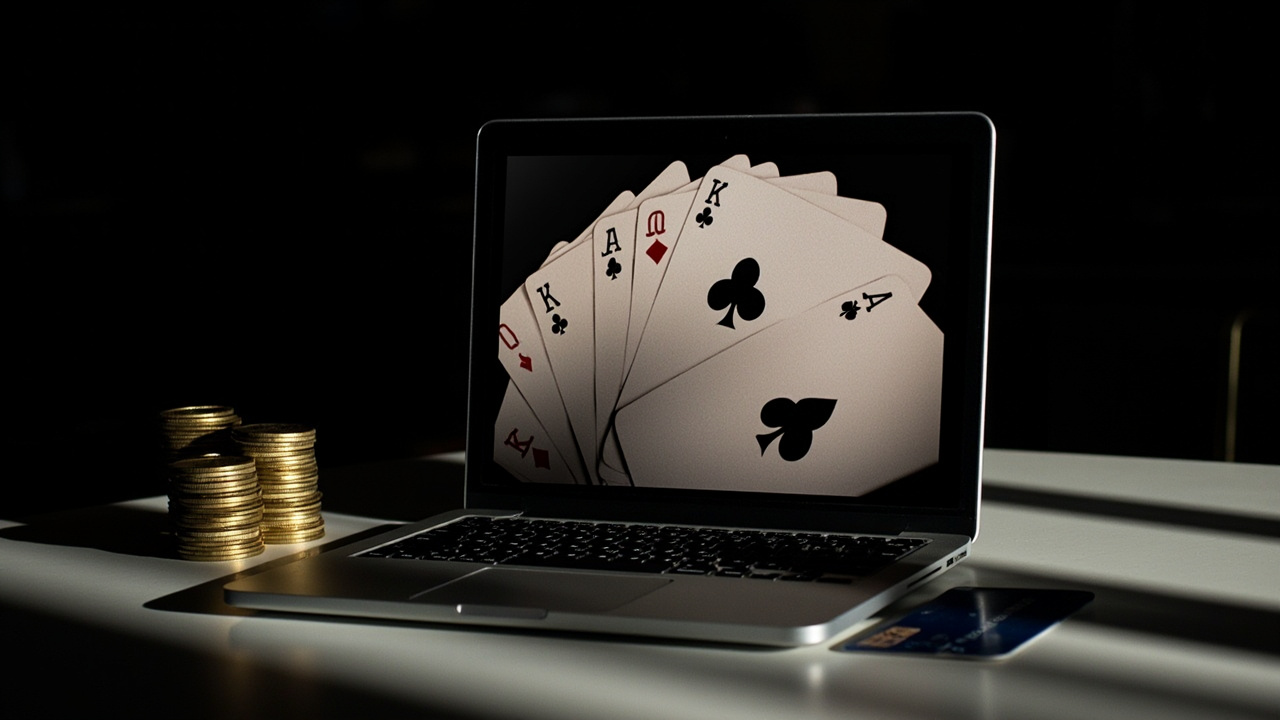
A semi bluff only works when the board texture and your opponent’s range give you a realistic chance to improve, or at least enough fold equity to justify the risk. The difference between a clean bluff and a semi bluff is that you usually hold some outs, so you are not purely guessing. In a live club or pub setting near Wollongong, you might watch a player’s timing tells for a few orbits before you ever commit, but online tables move faster and the reads come from betting patterns, not body language. I have seen product designs that reward fast, aggressive play without giving users enough context to judge whether a bet is sensible, and that is a poor experience for anyone trying to learn. A better setup shows hand history, position, and stack sizes clearly so you can decide whether your draw is worth pressing. If you are weighing a bonus structure alongside your play, it helps to understand how promotional credits interact with real wagering, which is why I often point people toward a royal reels no deposit bonus offer when they want to see how a casino-style bonus actually behaves before they risk their own bankroll. The point is not to treat bonuses as free money, but to use them as a small, controlled way to test how a product handles wagering requirements, contribution rates, and withdrawal timing before you commit serious funds.
When a Semi Bluff Makes Sense in Real Sessions
The strongest semi bluffs usually happen when you are in position, the opponent is capable of folding, and your hand has genuine backdoor potential. That combination matters more than the raw strength of your cards at that moment. A flush draw on a wet board, or a gutshot with overcards, can be a reasonable candidate if the pot is already offering you price and the opponent’s line suggests weakness. What I do not like is seeing players treat every draw as a bluff opportunity just because they want action. In my experience building wagering and racing products, people often confuse activity with edge, and that is a habit that burns through a bankroll fast. A more disciplined approach is to ask three concrete questions: is the opponent likely to fold, do I have enough equity if called, and does the bet size match the risk I am taking? If the answer to any of those is shaky, the hand is probably better played small or checked through. For a quick reference, a sensible semi bluff usually has these traits: you are in position, the board offers you a plausible draw, the opponent’s sizing or timing suggests hesitation, and the pot odds justify the bet without forcing you into a desperate spot. royal reels no deposit bonus offer
How Product Design Shapes Bluffing Decisions Online
The interface and rules around a table change how often people attempt semi bluffs, because clarity affects confidence. When bet sliders, pot odds, and stack information are easy to read, players can make more deliberate decisions instead of relying on impulse. That matters for Australian adults who are used to pub and club pokies having their own separate licensing from casinos, because the regulatory context is different and so is the expectation of how a product should behave. I have worked on products where the same wagering feature felt very different depending on whether the terms were buried in fine print or presented up front, and the difference shows up in how users judge fairness. A poker table should not hide the maths behind flashy animations, and a casino product should not pretend that bonus money behaves the same way as cash. If you are comparing casino-style multiplier thinking across different games, it is worth reading a short piece on how bonus multipliers work in WildRobin Online Casino, because multiplier logic and poker equity logic are not the same thing, even if both involve risk and reward. The practical takeaway is that good design reduces guesswork, while poor design encourages players to bluff for the wrong reasons.
Bankroll, Timing, and the Bigger Picture of Online Play
Semi bluffing is only one piece of a larger discipline that includes session limits, stop-loss habits, and knowing when a table is simply too sharp for your style. Online play can feel convenient and fast, but convenience is not the same as safety, and it is never wise to assume that any offshore site is licensed or regulated in Australia. The more useful question is whether the operator is transparent about its terms, whether the product displays information in a way that helps you make informed decisions, and whether you are comfortable with the pace and stakes on offer. In a Wollongong arvo, you might prefer a quieter table where you can read a few hands before pressing forward, whereas a late-night session can invite more aggressive play than your bankroll really wants. I have seen users treat bonus eligibility and recurring promotions as if they were the same as ordinary cash, which leads to frustration when wagering requirements, game contribution rates, and withdrawal limits start to matter. A sensible approach is to treat any promotion as a separate layer with its own rules, not as a replacement for sound hand selection. If you keep your semi bluffs tied to real equity, clear position, and disciplined sizing, you are less likely to turn a weak draw into a costly habit.
The most useful way to think about online poker semi bluffing is as a controlled risk, not a shortcut to easy pots. It works best when you have position, a plausible draw, and an opponent who can actually fold, and it falls apart when you use it to justify bets that the maths do not support. For Australian players, the bigger discipline is keeping the play honest: understand the table, respect the difference between bonus money and cash, and remember that convenience never replaces judgement. Iltov